10 Simple Car Maintenance Tips Every Driver Should Know
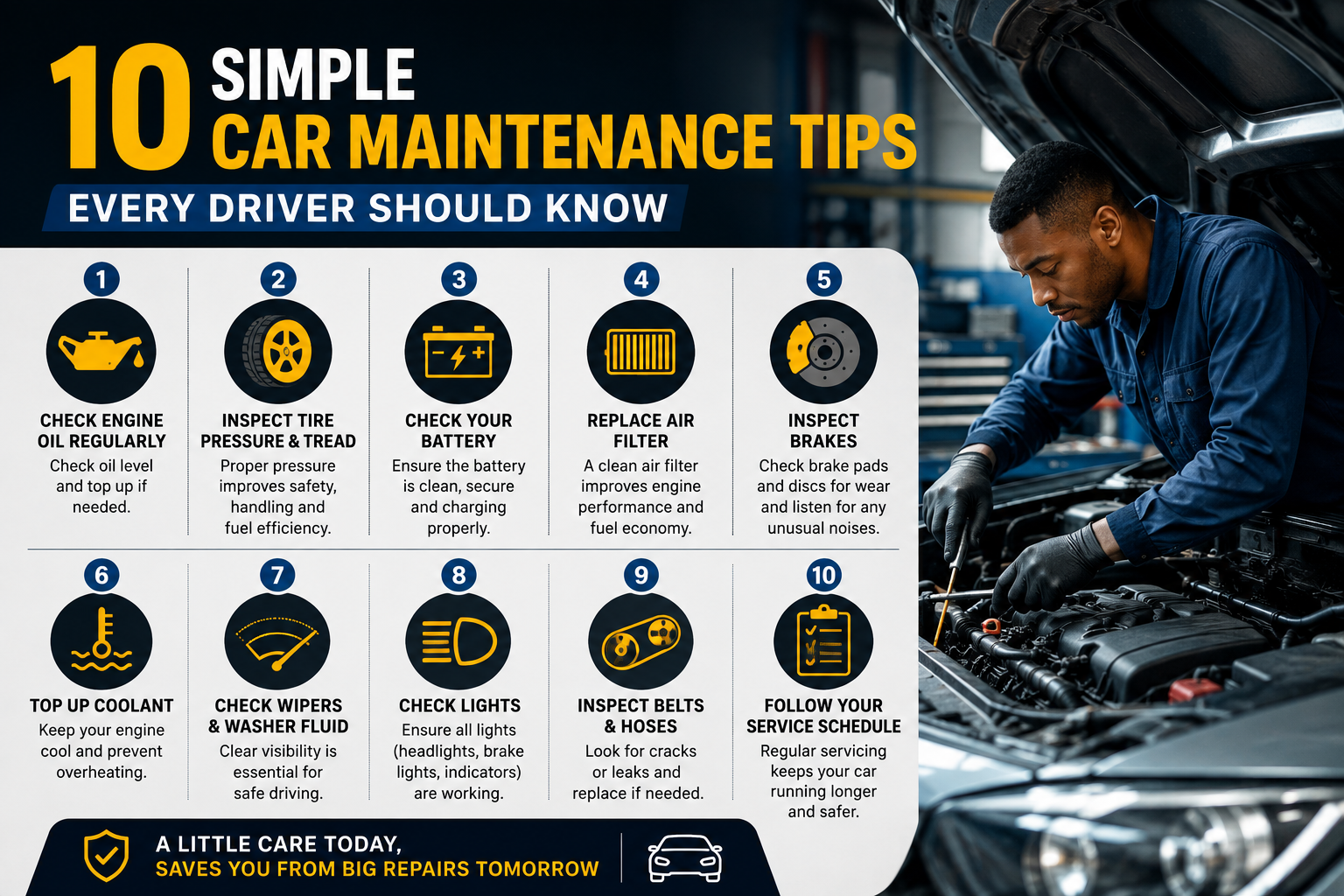
Keeping your car in good shape doesn’t have to mean expensive trips to the mechanic every month. A little regular attention can save you money, avoid breakdowns, and keep your vehicle running safely for years. Here are ten easy maintenance tips you can start doing today.
1. Check Your Oil Regularly
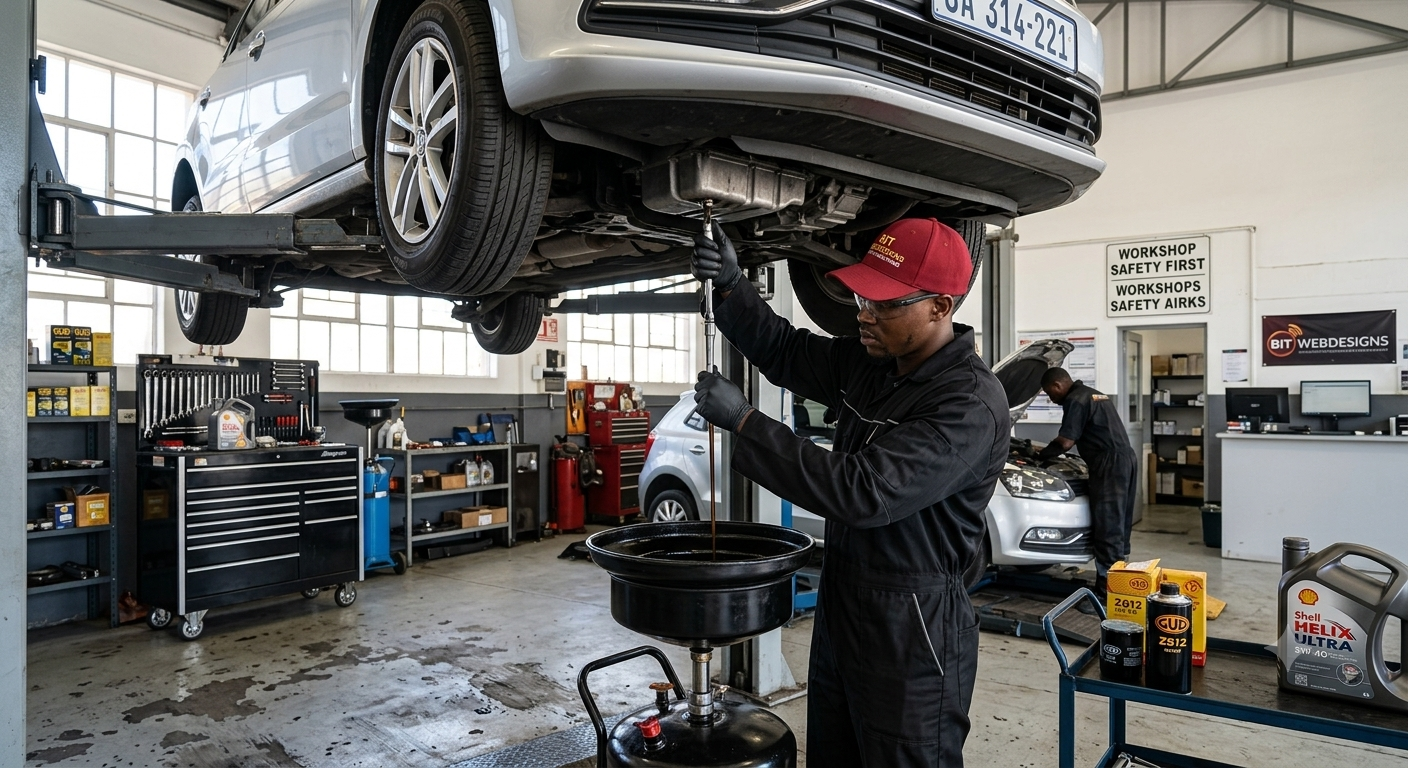
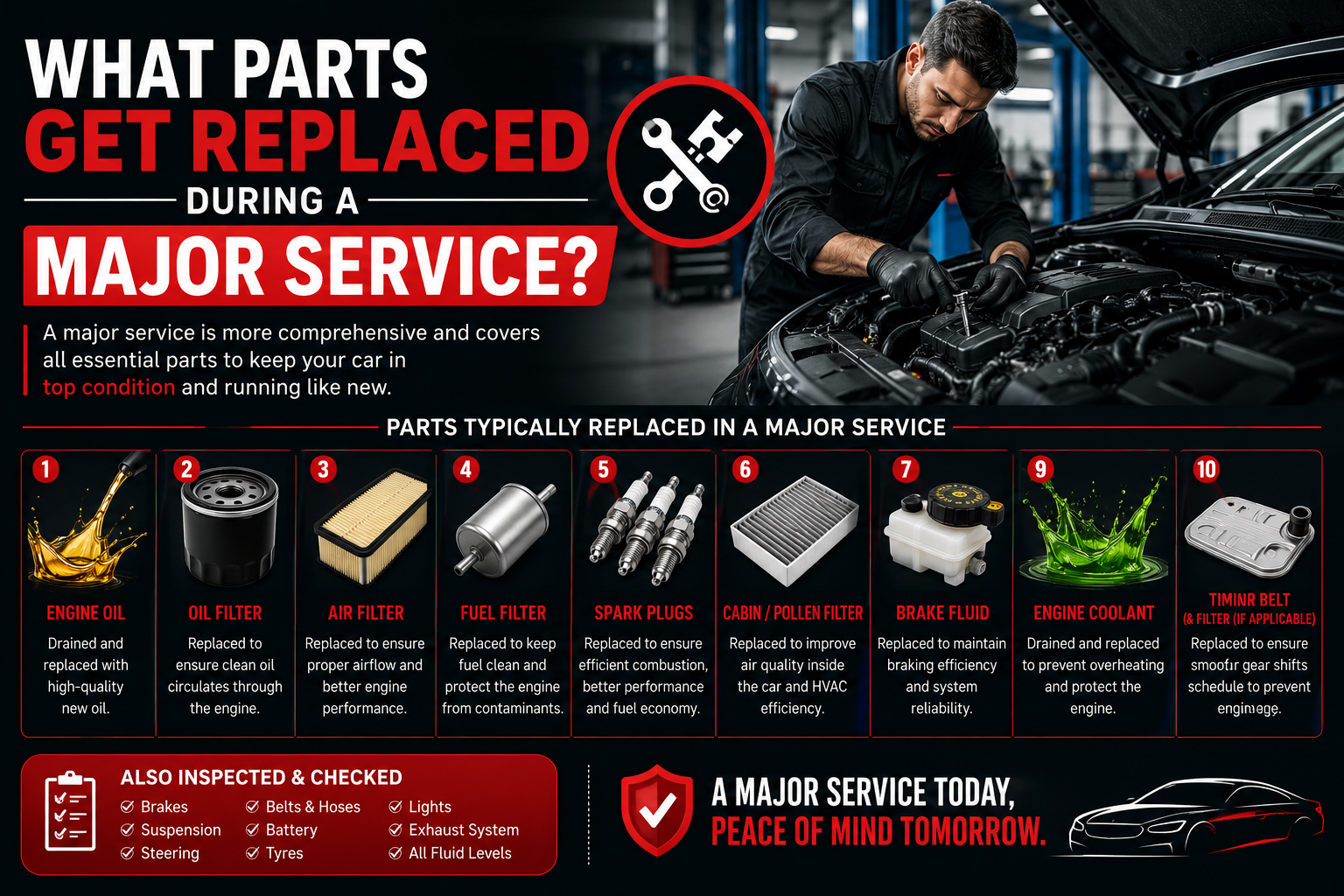
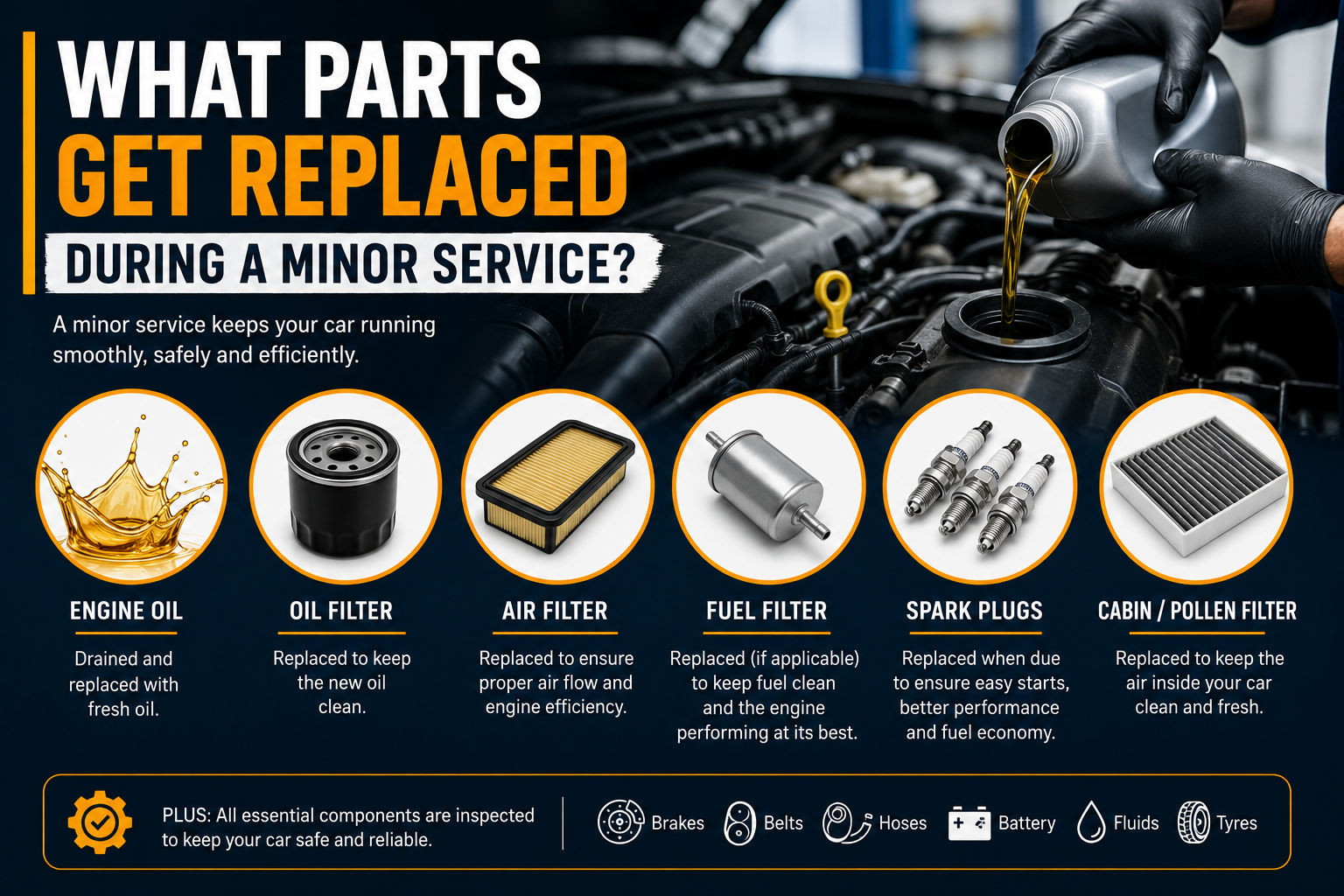
Engine oil keeps your car’s moving parts lubricated and cool. Check the oil level at least once a month using the dipstick, and top it up if it’s low. Most vehicles need an oil change every 5,000 to 7,500 miles, but always check your owner’s manual for the manufacturer’s recommendation.
2. Monitor Tire Pressure and Tread
Under-inflated tires wear out faster, hurt fuel economy, and can be dangerous at highway speeds. Check tire pressure once a month when tires are cold, and don’t forget the spare. While you’re at it, check tread depth with the simple “penny test” — if you can see all of Lincoln’s head, it’s time for new tires.
3. Replace Wiper Blades
Worn wiper blades leave streaks and reduce visibility in rain or snow. Most blades last 6–12 months. If they start skipping or squeaking, replace them before your next storm catches you off guard.
4. Keep an Eye on Fluid Levels
Beyond oil, your car relies on several other fluids: coolant, brake fluid, transmission fluid, and windshield washer fluid. Low coolant can lead to overheating, while low brake fluid can affect stopping power. A quick monthly check under the hood can catch problems early.
5. Don’t Ignore the Brakes
Squealing, grinding, or a soft brake pedal are all signs your brakes need attention. Brake pads typically last 25,000–65,000 miles depending on driving habits. Catching wear early prevents more expensive rotor damage later.
6. Replace the Air Filter
A clogged air filter restricts airflow to the engine, reducing performance and fuel efficiency. It’s an inexpensive part that’s easy to replace yourself — check it every 12,000 miles or so, more often if you drive on dusty roads.
7. Test Your Battery
Car batteries typically last 3–5 years. Cold weather is especially hard on them, so it’s smart to have your battery tested before winter hits. Watch for slow engine cranking or dimming headlights — early warning signs of a battery on its way out.
8. Rotate Your Tires
Rotating your tires every 5,000–8,000 miles helps them wear evenly, extending their life and improving handling. Many shops will do this for free or at low cost when you get an oil change.
9. Listen and Watch for Warning Signs
Unusual noises, vibrations, dashboard warning lights, or strange smells are your car’s way of telling you something’s wrong. Don’t wait — small issues caught early are almost always cheaper to fix than problems left to grow.
10. Stick to a Maintenance Schedule
Your owner’s manual outlines a recommended service schedule for your specific make and model. Following it — rather than guessing — is the best way to catch issues before they become costly repairs and to keep your warranty valid.
The Bottom Line
Routine car maintenance doesn’t require a lot of time or expertise, just consistency. A few minutes each month checking fluids, tires, and warning signs can add years to your vehicle’s life and help you avoid unexpected breakdowns.
Need a professional set of eyes on your vehicle? Contact us today to schedule a maintenance check — we’re here to help keep you safely on the road.